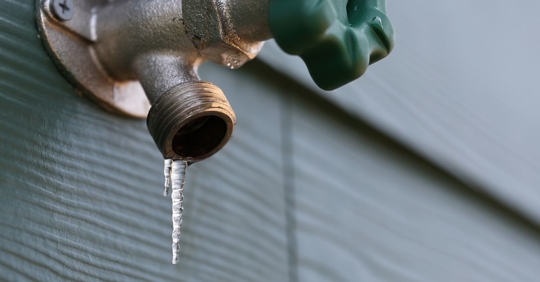
While we don't experience severe winters in Chula Vista, Bonita, or the surrounding communities, occasional cold snaps can bring nighttime temperatures low enough to pose a risk to your home's plumbing. When water freezes, it expands with incredible force. If this happens inside a pipe, the pressure can build up to the point where the pipe cracks or bursts.
Once the water thaws, it often results in a costly and messy flood that can significantly damage your home. Fortunately, protecting your pipes from freezing is a simple, common-sense process that requires little effort. Taking a few practical precautions can save yourself a major headache and keep your home safe all winter.
Suspect a frozen pipe or dealing with a plumbing emergency? Don't wait. Call us right away at (619) 330-4969 or fill out our online contact form for immediate assistance.
Understanding the Danger: The Science of a Frozen Pipe
The idea of a frozen pipe might sound like a problem for colder climates, but it’s a very real concern for any homeowner when temperatures dip below freezing. The reason is simple and based on a unique property of water: it expands as it freezes. While this expansion might seem small, the pressure it creates inside a confined pipe can exceed 2,000 pounds per square inch. This immense pressure is enough to rupture even the most durable pipes, leading to leaks, floods, and water damage that can cost thousands of dollars to repair.
It’s important to understand that the damage doesn't occur where the ice forms, but rather from the pressure buildup between the ice blockage and the faucet. This is why a small frozen section can lead to a burst pipe far from the freezing point. The most vulnerable pipes are those located in unheated areas of your home, such as a garage, a crawl space, an attic, or even exterior hose bibs and sprinkler systems.
Your Proactive Checklist for Protecting Your Pipes
Taking a few simple steps now can make a big difference and help you avoid a plumbing emergency later. This checklist focuses on practical actions you can take to safeguard your plumbing system against unexpected cold weather.
- Trickle a Faucet: This is the famous "drip" that can save the day. Allowing a faucet to drip slowly—even just a trickle—on a night when temperatures are expected to drop below freezing can be a lifesaver. This constant movement prevents water from sitting still and freezing inside the pipe. Just a small, steady stream is all it takes to keep the pressure from building up.
- Open Cabinet Doors: For pipes located in a kitchen or bathroom sink cabinet on an exterior wall, simply opening the cabinet doors can help. This allows warmer air from your home to circulate around the pipes, providing enough heat to prevent them from freezing.
- Insulate Exposed Pipes: For any pipes in unheated areas like your garage or crawl space, adding insulation can provide a protective layer against the cold. Pipe sleeves made of foam or fiberglass are inexpensive and easy to install.
- Disconnect Hoses: Before a cold snap, be sure to disconnect any garden hoses from outdoor faucets. Water trapped in the hose can freeze and expand back into the pipe, causing the faucet or pipe to burst. It’s also a good idea to drain the hose and store it for the winter.
By following these simple guidelines, you can significantly reduce the risk of a frozen pipe. These actions are easy to perform and provide a strong defense against the potential damage caused by freezing water.
What to Do If You Suspect a Frozen Pipe
Even with the best preparation, a frozen pipe can sometimes happen. If you notice a a drop in water pressure from a specific faucet or see a bit of frost on an exposed pipe, it's crucial to act carefully. Here's what to do:
- Locate the Frozen Section: Look for any visible sections of pipe that might be frozen. They may have frost on the outside or feel unusually cold.
- Turn Off the Main Water Valve: This is the most important step. If the pipe bursts, turning off the main water supply will prevent a major flood. Every member of your household should know where this valve is located and how to turn it off.
- Use a Safe Heat Source: You can try to thaw the pipe using a safe heat source. A hair dryer, a portable space heater aimed at the pipe, or wrapping the pipe with towels soaked in hot water are all good options. Never use an open flame device like a blowtorch or propane heater, as this is a fire hazard and can cause the pipe to rupture even more quickly.
If the pipe has already burst or if you are unable to thaw it safely, it’s essential to call a professional immediately. For our customers in El Cajon, National City, and beyond, our team is equipped to handle these types of emergencies with precision and speed, including comprehensive pipe repair services to fix any damage caused by freezing.
Your Local Plumbing Experts for Cold Weather
While the weather in our service areas of Chula Vista, La Presa, Bonita, and Imperial Beach may be mild, taking steps to protect your plumbing during cold spells is a smart investment in your home's well-being. A burst pipe can lead to extensive water damage, mold growth, and a costly and disruptive repair process.
Our team at Premier Rooter & Plumbing is here to help you prevent these issues and provide reliable solutions if a problem does occur. We have the experience and tools to handle any frozen pipe emergency and get your home's plumbing back to normal quickly and efficiently.
If you have questions about winterizing your pipes or if you're facing a plumbing issue, don’t hesitate to reach out. Contact us today at (619) 330-4969 or through our online contact form for service you can count on.